

Petronas Revenue and Malaysia’s Economic Backbone
How Petronas’ earnings shape government budgets, fund development projects, and influence Malaysia’s fiscal planning across decades.
Read ArticleExplore how Malaysia’s energy sector shapes the economy, influences pricing, and drives the transition to renewable power
The energy sector isn’t just about electricity and fuel — it’s the backbone of Malaysia’s economy, fiscal planning, and environmental future
Petronas revenue directly funds government budgets, infrastructure projects, and national development initiatives across Malaysia
Global oil and gas prices influence inflation rates, currency strength, and purchasing power for everyday Malaysians in ways most don’t realize
Malaysia’s shift toward solar and green technology represents both environmental commitment and economic transformation for the coming decades
Energy subsidies impact government finances significantly, affecting spending capacity for healthcare, education, and social programs nationwide
Deep dives into Malaysia’s energy landscape and its far-reaching economic consequences
How Petronas’ earnings shape government budgets, fund development projects, and influence Malaysia’s fiscal planning across decades.
Read Article
Global crude prices ripple through Malaysia’s inflation, currency strength, and consumer spending patterns in ways most people don’t realize.
Read Article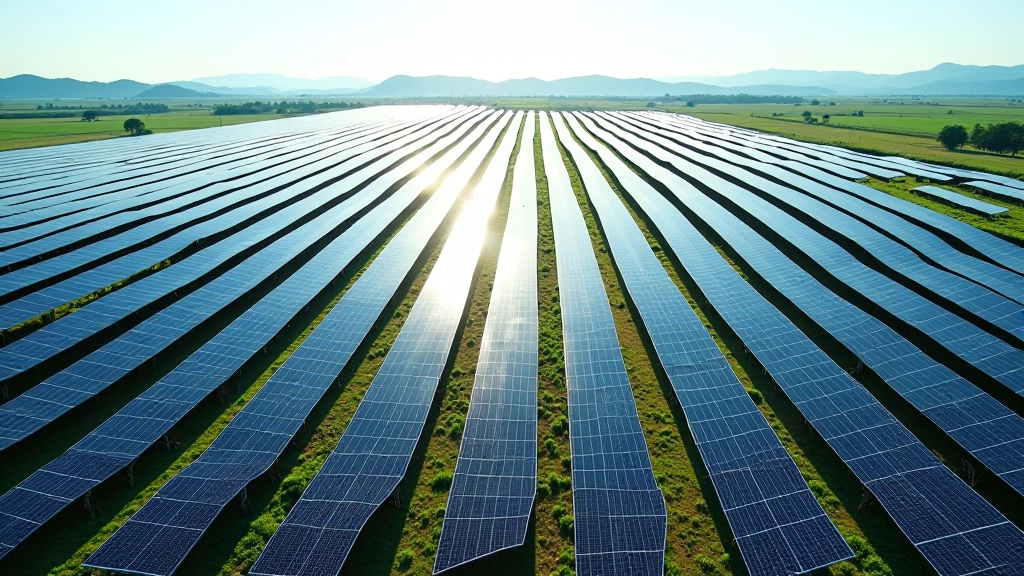
From solar targets to green technology investments, Malaysia is shifting away from fossil fuels. Here’s what the transition actually means for the economy and environment.
Read ArticleUnderstanding the connections between energy, economics, and policy
Petronas contributes significantly to Malaysia’s government revenue. These earnings aren’t just abstract numbers — they’re translated directly into infrastructure projects, healthcare funding, and development initiatives across the country.
When global oil prices spike, Malaysia’s import costs rise, inflation pressures increase, and the ringgit can weaken. Conversely, lower prices provide relief but also reduce government revenues. It’s a delicate balance.
Malaysia’s renewable energy targets represent a major shift. The transition requires investment in solar infrastructure, grid modernization, and new technology. It’ll reshape both the energy sector and Malaysia’s long-term economic structure.
Energy subsidies help keep fuel and electricity affordable for Malaysians, but they consume significant government resources. Balancing affordability with fiscal responsibility remains one of the toughest policy challenges.
Data-driven perspective on Malaysia’s energy situation
We focus on providing accurate, accessible information about Malaysia’s energy sector
We examine official government reports, Petronas data, and economic indicators to understand real trends affecting Malaysia’s energy landscape.
Complex energy economics simplified. We break down macroeconomic impacts into understandable explanations for readers at all levels.
Energy policy involves tradeoffs. We explore multiple viewpoints on subsidies, renewable transition, and economic sustainability without bias.
Dive deeper into how Petronas shapes the economy, how global prices affect everyday life, and what Malaysia’s renewable future holds.
Common questions about Malaysia’s energy sector and its economic impact
Petronas is Malaysia’s national oil and gas company. It matters because it’s a major revenue source for the government, funding essential services and development projects. When oil prices change, Petronas earnings shift, affecting Malaysia’s entire budget.
Global oil prices influence inflation, fuel costs at the pump, electricity rates, and the value of the Malaysian ringgit. Higher prices increase costs across the economy. Lower prices provide relief but reduce government energy revenue.
Malaysia aims to increase renewable energy to about 20% of its energy mix by 2025, with even higher targets planned for 2030. This involves significant investment in solar, wind, and other clean technologies.
Energy subsidies keep fuel and electricity affordable for ordinary Malaysians. However, they consume substantial government resources that could be used elsewhere. Policymakers constantly balance affordability against fiscal sustainability.